


General
Cavity Treatment

Our Philosophy and Approach to Gentle Cavity Treatment
Cavities are caused by bacteria in the mouth, such as mutans streptococci, which feed on plaque (a film of food debris and saliva). As these bacteria multiply, they produce acid that dissolves tooth enamel.
Here, we will introduce our approach to cavity treatment, blending our core philosophy with the practical methods we use every day.
Our Philosophy on Cavity Treatment
The basic premise is “Care” rather than “Cure”

n today’s conception of cariology (caries science), cutting and filling is not the cure for tooth decay. It is believed that bacterial factors, sugar intake (quality and frequency), and time frame are important in the background of caries, and that various environmental factors are involved. Lifestyle and environmental changes can also have a significant impact on oral health. We believe that oral care tailored to each individual’s lifestyle is the first prerequisite.
Proposal of treatment tailored to each tooth
A Custom Treatment Plan for Every Tooth
Our Goal: A Tooth-Preserving Approach
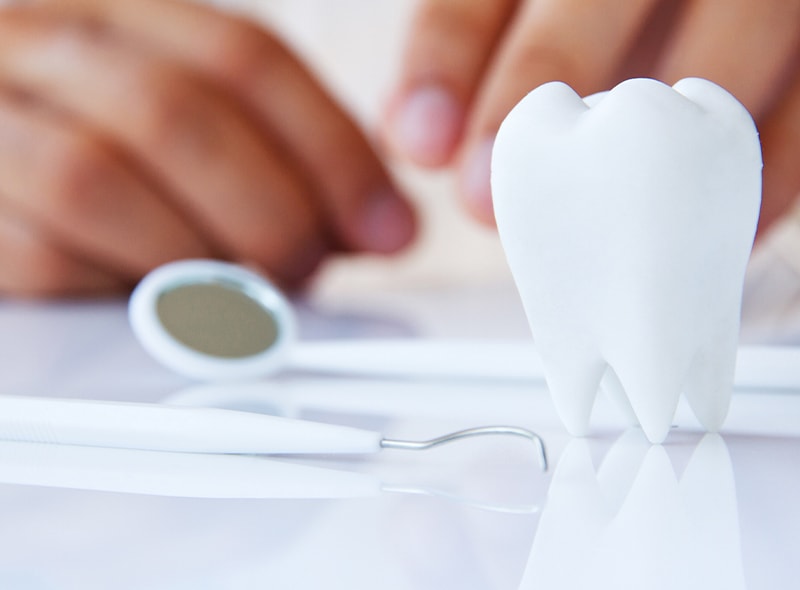
When a cavity forms under an old filling or crown, treatment is unavoidable. In these cases, our priority is a “minimally invasive” approach that preserves as much healthy enamel as possible, which leads to better long-term stability. If the decay has reached the nerve, we use techniques to preserve the nerve tissue whenever possible, significantly reducing the future risk of tooth fracture.
Strengthening Teeth When Enamel is Lost
However, this is not always the case if the tooth is thinner. If enamel is still present, the tooth can be partially shaved and bonded to ceramic to reinforce the tooth. We believe it is important to make suggestions according to each situation.
A Balanced Smile for Lasting Health and Stability
A Holistic Approach: Focusing on Overall Balance, Not Just Individual Parts
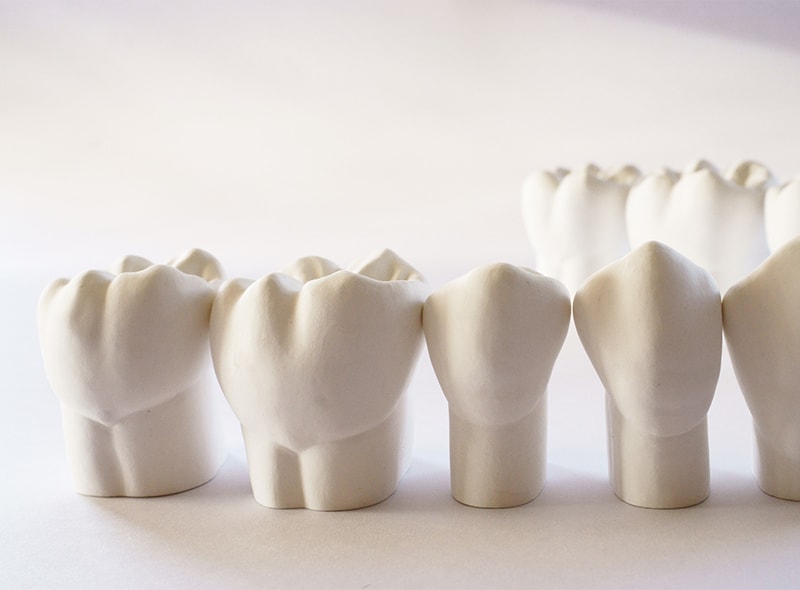
As mentioned above, a single tooth does not function on its own. The balance, placement, and orientation of the back and front teeth can cause many problems. A common pattern among Japanese patients is that they do not care about missing back teeth because they are not visible, and they come to the clinic only after problems occur in the front teeth. The reason why the front teeth are affected is because the back teeth are out of balance and the front teeth are affected by the imbalance. In this case, treatment of only the front teeth will not be successful, and the treatment will be repeated and the situation will get worse and worse. At our clinic, we often discuss the overall balance and risks with our patients, even if they are only coming for a single treatment or maintenance.
The oral cavity is a much harsher environment than you might imagine, as it is constantly subjected to forces as great as your own body weight, and is also affected by bacteria, acid, sugar, and heat that you ingest in your diet. In these days of 100-year life expectancy, we believe that meticulous care and management are essential.
Features of Our Cavity Treatment
Advanced Digital Equipment for a Comfortable Experience
Since our founding, we have integrated advanced digital equipment, including Carl Zeiss microscopes, to ensure our treatments are both swift and precise. This technology enhances patient comfort and promotes greater oral health awareness through clear 3D imaging.
The CEREC 3D Scanner
In our cavity treatments, we use a CEREC 3D scanner to take highly precise digital impressions, significantly reducing the burden on our patients. The restorations are crafted from metal-free ceramic for a natural look with no risk of metal allergies. By then fitting these restorations under a microscope to ensure a perfect seal, we also help prevent secondary decay.
Microscope-Enhanced Dentistry
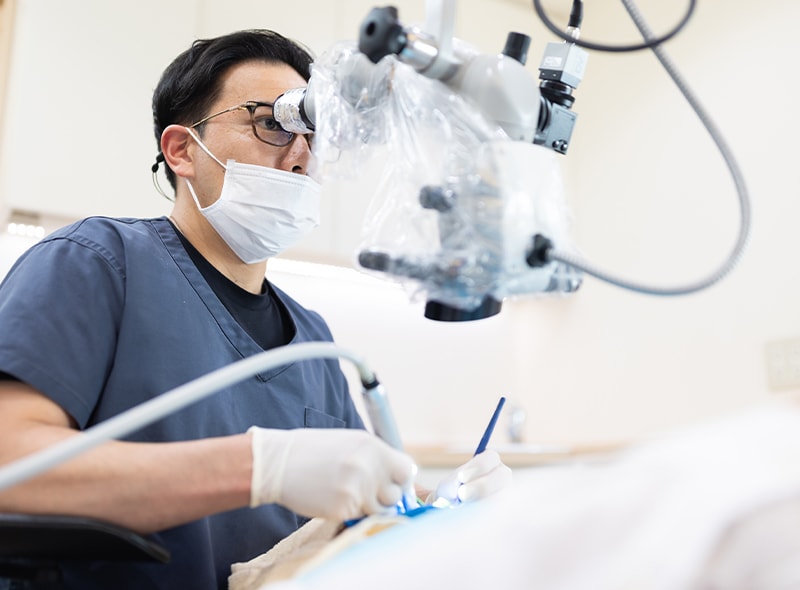
Precision in dentistry depends entirely on visibility. The surgical microscope is an essential tool that magnifies our view dozens of times, revealing details invisible to the naked eye. With its integrated light and camera, we can observe the treatment site with unparalleled clarity. This also allows us to record footage of your procedure, helping us provide you with a thorough explanation of your care.
肉眼とマイクロスコープの見え方の違い

The naked eye

Microscope
Choosing the Right Material for Lasting Results
Composite Resin [Covered by Insurance]
“Composite resin” is a white filling material commonly used for small cavities and chips. As a routine treatment covered by insurance, it is used very frequently.
However, composite resin is less durable than ceramic or metal and can sometimes chip or break in areas subjected to strong biting forces. Depending on the location and the specific case, we may recommend other materials.
Direct Bonding [Private/Non-Insured Treatment]
Direct bonding is a treatment method where a resin-based material, known as hybrid ceramic, is applied directly to the tooth to repair chips or close gaps. Since no dental impression is needed, the procedure can often be completed in a relatively short time. It is also excellent for recreating the texture and shade of natural teeth, making it a popular choice for those who prioritize a seamless, natural look.
Treatment for Severe Tooth Decay
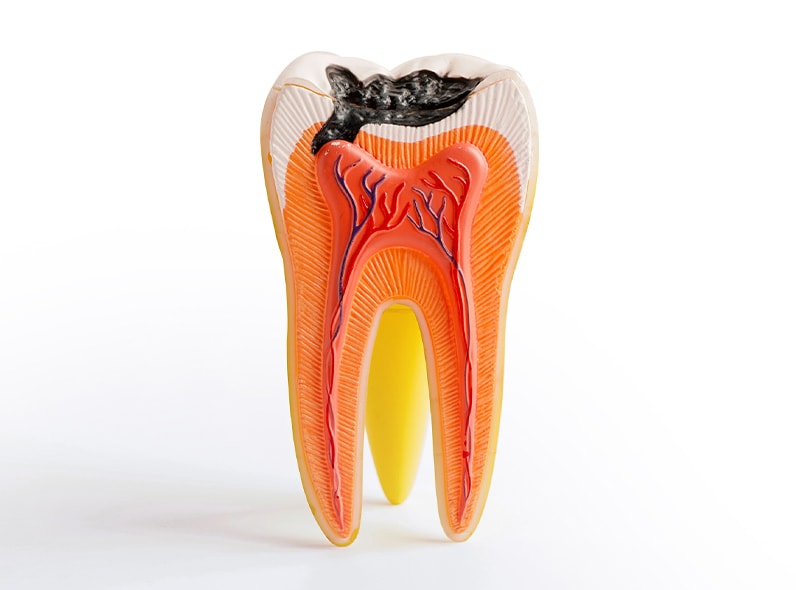
When a cavity progresses to a severe stage, the infection can reach the tooth’s nerve (pulp). In such cases, we consider two primary treatments: “Root Canal Therapy” or “Pulp Preservation Therapy.”
Root canal therapy involves removing the infected nerve tissue, cleaning and disinfecting the canal, and then sealing it to prevent re-infection.
On the other hand, if we determine that part of the nerve is still healthy, we may propose “Pulp Preservation Therapy.” This method aims to preserve the tooth’s function and sensation by removing only the infected portion of the nerve.
About Our Fees
Below is a summary of our fees. For private treatments, we’ve also included estimated duration and number of visits. (Please note: all estimates may vary based on your specific condition.)
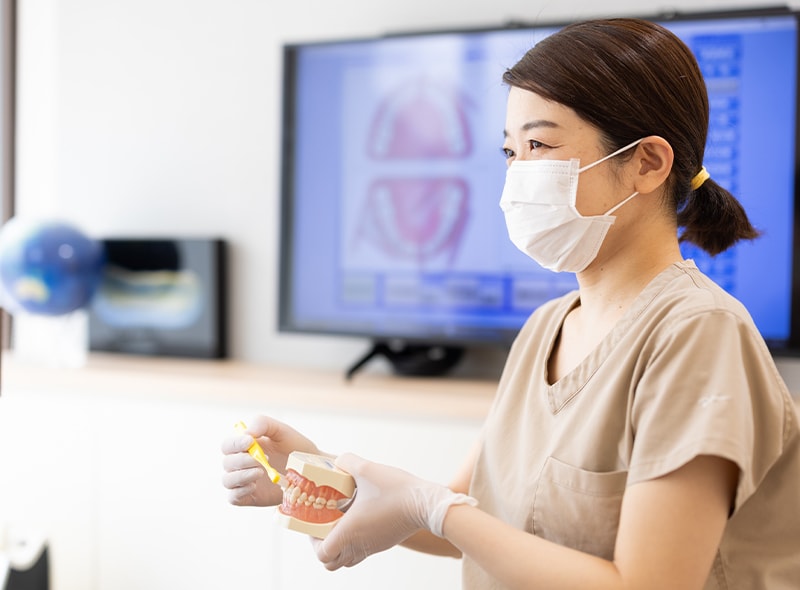
Proactive Prevention Before Problems Start
To protect your teeth, it’s important to shift from reactive care (“visiting when it hurts”) to proactive care. Regular maintenance not only preserves your oral health and prevents future issues, but it also saves you valuable time in the long run.