


Oral surgery
Oral Surgery

Oral Surgery for Mouth, Jaw & Face Concerns
Oral surgery addresses diseases and injuries of the mouth, jaw, and face, restoring both healthy function and natural aesthetics.
Please consult with us for a wide range of issues, including wisdom tooth removal, oral injuries, TMJ (jaw joint) disorders, trauma, and jaw deformities.
Are you experiencing any of these oral health issues?
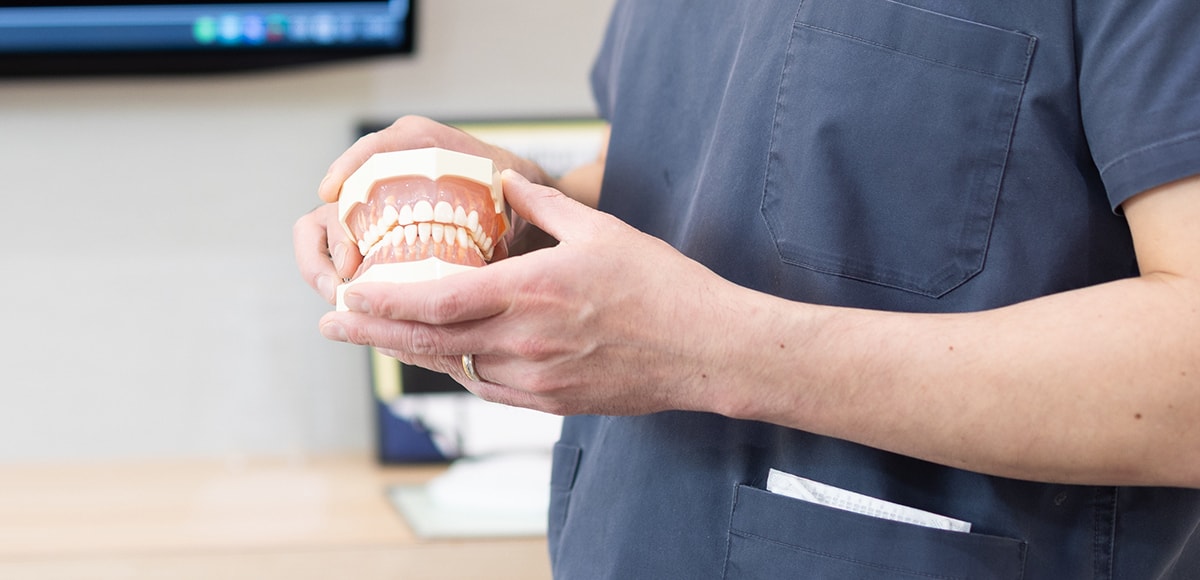
- Pain and swelling related to your wisdom teeth.
- Decay in the tooth next to a wisdom tooth, or persistent bad breath from the area.
- Concerns about a dental injury (trauma) sustained during sports or an accident.
- Discomfort, clicking, or popping sounds when opening or closing your jaw.
- Painful oral conditions such as recurring canker sores or sores at the corners of your mouth (angular cheilitis).
- Mouth ulcers or sores that are persistent or slow to heal.
Our Approach to Oral Surgery
Collaboration with Medical Specialists

For certain oral surgery cases, we collaborate with and refer patients to our network of trusted medical specialists. This approach ensures:
- Expert Care: Your treatment is handled by a doctor with highly specialized skills and knowledge.
- Efficiency: It allows for a prompt diagnosis and a more streamlined treatment process.
- Comprehensive Management: We can address a diverse range of complex procedures, including the removal of deeply impacted wisdom teeth and other high-risk cases.
Through this partnership, our specialists can also coordinate your care with other medical institutions when necessary.
Our Specialist in Oral Surgery
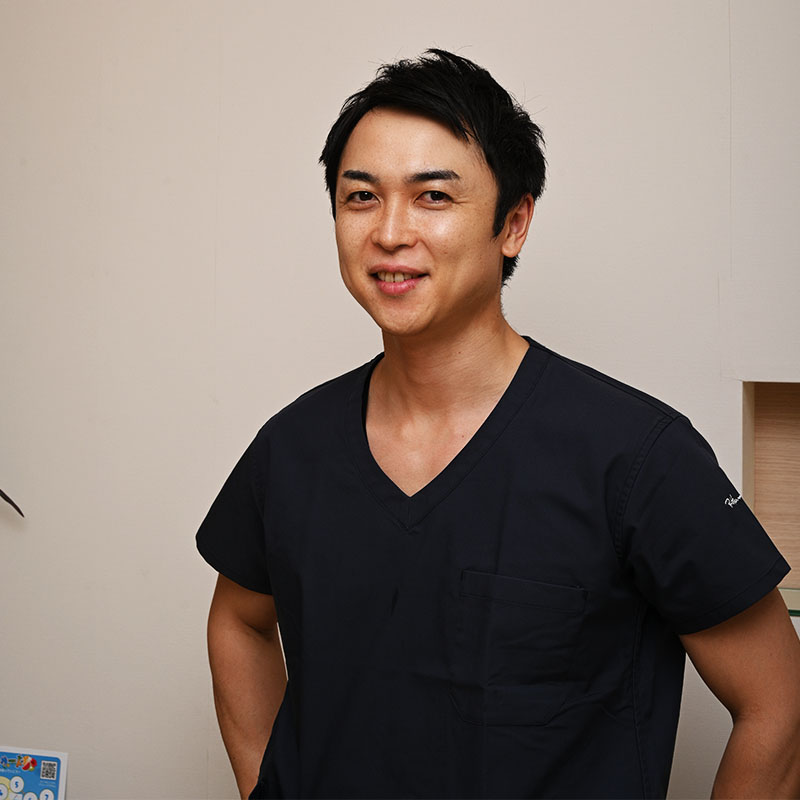

Dentist
Takahiro Asano Asano Takahiro
Dr. Asano is our visiting specialist in Oral Surgery. (He is typically available on Saturdays. Please check our announcements page for his detailed schedule.)
Credentials
- ohoku University School of Dentistry, Graduate
- Keio University Hospital, Dentist
Certifications & Professional Affiliations
- Board-Certified Oral and Maxillofacial Surgeon, Japanese Society of Oral and Maxillofacial Surgeons
- Board-Certified Periodontist, The Japanese Society of Periodontology
- Board-Certified Orofacial Pain Specialist, Japanese Society of Orofacial Pain
- Board-Certified Prosthodontist, Japan Prosthodontic Society
- Board-Certified TMJ Specialist, The Japanese Society for the Temporomandibular Joint
Tell Us About Your Oral & Facial Concerns
Our expertise extends beyond teeth to the entire mouth, jaw, and face. Oral surgery is the specialty dedicated to resolving the complex problems that arise in these areas.
Wisdom Tooth Concerns
About Wisdom Tooth Extraction
What Are Wisdom Teeth?
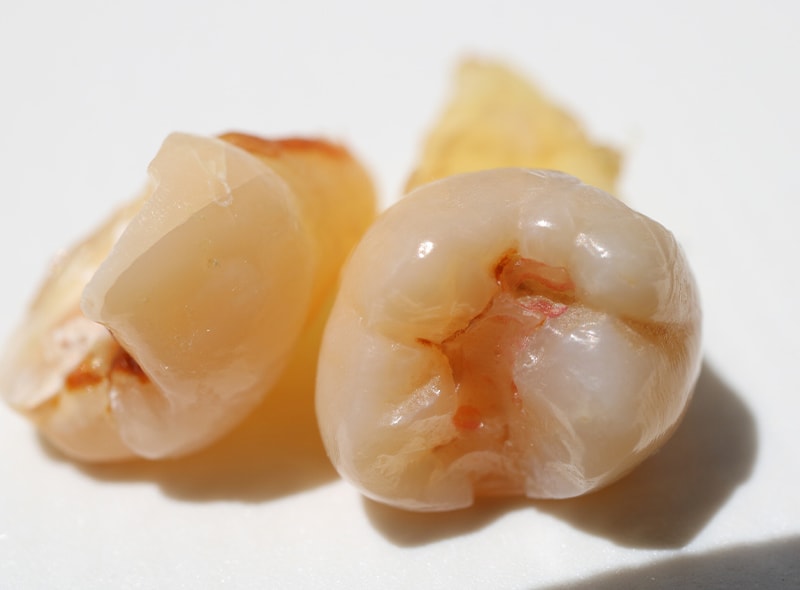
Wisdom teeth, also known as third molars, are the eighth and final teeth at the back of your mouth.
Their position and the way they erupt often make them very difficult to clean, leading to a high risk of cavities and gum disease. Furthermore, their location makes them challenging to treat effectively, so problems often recur. In the worst-case scenario, an unhealthy wisdom tooth can damage the healthy molar next to it.
For these reasons, we often recommend proactive removal to prevent future complications.
The Importance of Deciding Whether to Remove Your Wisdom Teeth
Waiting until a wisdom tooth develops a cavity or gum disease can make treatment more difficult, as anesthesia may be less effective.
Younger patients also tend to have a faster and smoother recovery after extraction. If left for too long, a wisdom tooth can even fuse to the jawbone, complicating its removal.
We recommend getting a professional evaluation around the time wisdom teeth typically emerge (in your late teens or early twenties) to check their position and determine the best course of action.
Tooth Autotransplantation Using Wisdom Teeth
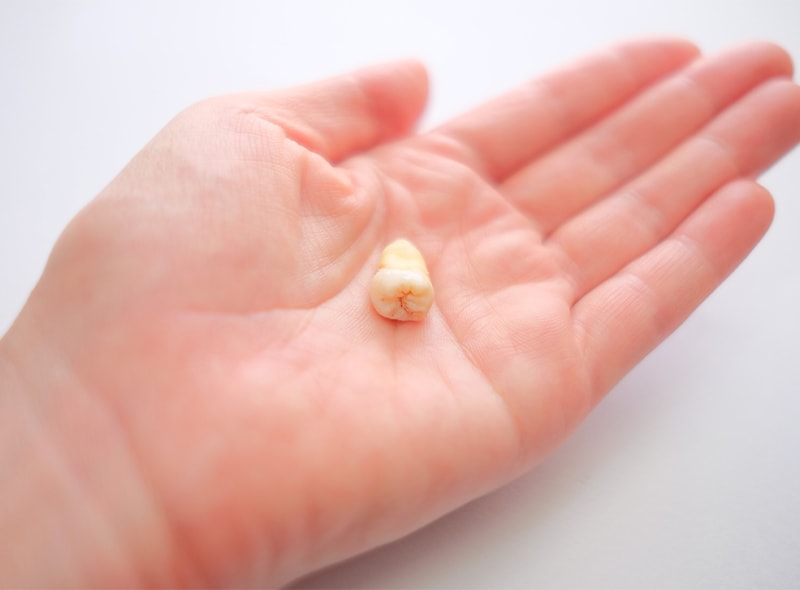
A tooth graft is a treatment in which wisdom teeth or non-functioning teeth (e.g., incisors) are transplanted when a cavity is too large to reach the root of the tooth, when a tooth is broken due to injury and cannot be retained, or when a tooth is not present at birth. The transplanted tooth functions just like any other tooth. The probability of success is especially high in younger age groups, and because the periodontal ligament is present, just like a natural tooth, the patient can chew with the same natural sensation as his or her own teeth.
What to Know Before Your Tooth Transplant
If the condition is met, such as the tooth that can be transplanted being a “wisdom tooth” and if there is still a tooth remaining in the area to be transplanted, it will be covered by insurance. Please note, however, that insurance will not cover teeth that have already been extracted or teeth that were originally missing.
- The patient must be around 40 years of age.
- Patients must have appropriate grafted teeth (mainly wisdom teeth) in the mouth.
- The size of the grafted tooth and the graft site (recipient side) must match.
Jaw & TMJ Concerns
About TMJ Disorders & Jaw Deformities
When to Be Concerned About Your Jaw
Have you ever experienced any of the following symptoms, especially when you wake up, talk, or eat?
- Pain when moving your jaw
- Difficulty opening your mouth
- Clicking, popping, or grinding sounds in your jaw
- Pain while chewing
- Jaw fatigue or soreness
- Jaw locking or getting stuck
- Related pain, such as headaches, neck, or shoulder stiffness
If you are experiencing any of these symptoms, you may have a jaw joint condition, such as a TMJ disorder or a jaw deformity.
Treating Jaw Disorders

Early treatment is crucial, as delaying can make TMJ disorders chronic. Our approach focuses on reducing jaw strain through lifestyle changes, pain relievers, and custom oral appliances (splints).
Oral Mucosal Concerns
Concerns About Lingering Canker Sores
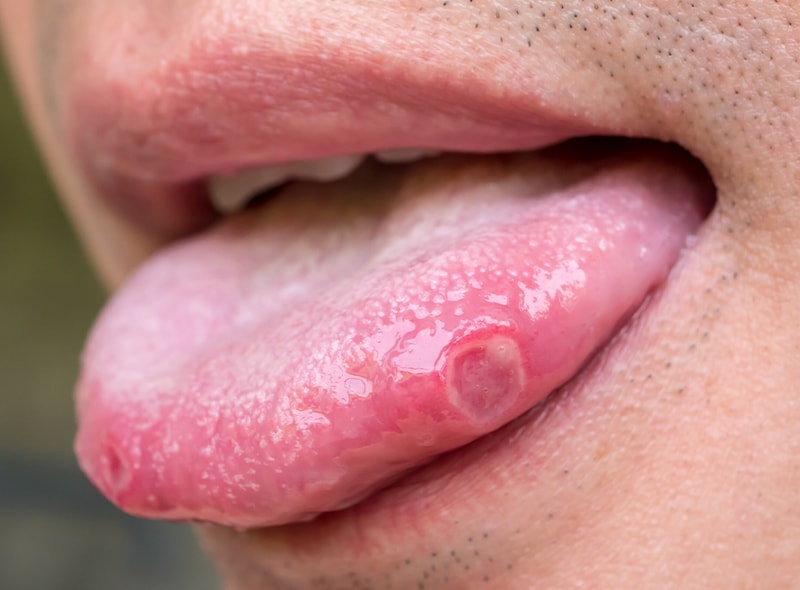
While most canker sores heal on their own, one that is persistent, unusually painful, or frequently returns should be professionally evaluated. We can determine the cause and provide the right treatment. Please consult us for any oral sore that doesn’t heal or causes you concern.
Do you have any of these oral symptoms?
Please consult with us if you have any of the following concerns inside your mouth:
- Frequent canker sores
- Painful areas when eating or brushing
- Blisters on your lips or gums when you feel unwell
- White, lace-like patterns on your inner cheeks
- White patches that can be wiped off
- Painful blisters that rupture easily
- Rough, white patches that cannot be removed
- A red and painful tongue
- A persistent white coating on the tongue
If you are experiencing symptoms like these, you may have an oral mucosal condition such as stomatitis (mouth inflammation), cheilitis (lip inflammation), or glossitis (tongue inflammation) that requires professional attention.
Treating Oral Mucosal Conditions
- Prescription Medication
- Oral Hygiene Instruction
- Surgical Treatment Options
We recommend a professional evaluation for any oral sore or discomfort that lingers. Depending on the diagnosis, treatment may involve medication, a surgical procedure, or hygiene instruction.
If you use an over-the-counter (OTC) remedy, please consult us if your symptoms worsen or show no improvement after 5-6 days. Be sure to bring the medication with you to your appointment.
Tooth Autotransplantation
Tooth Autotransplantation
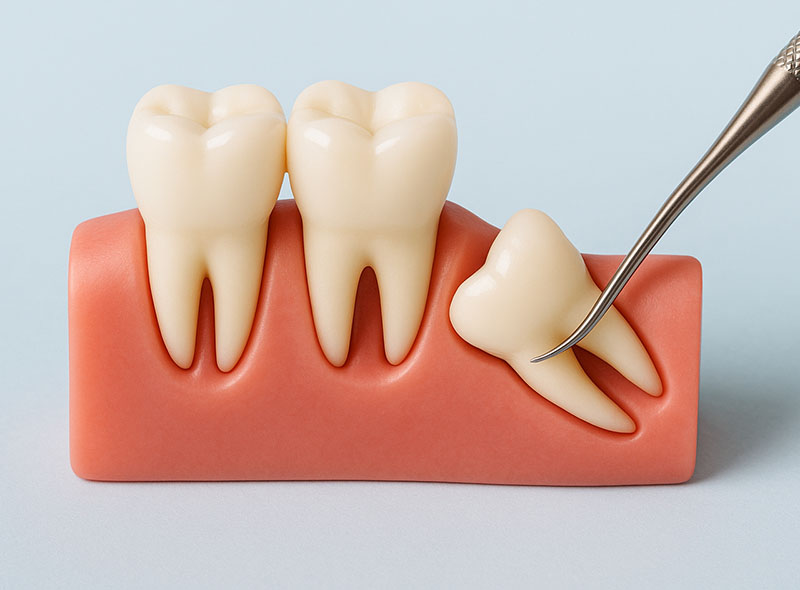
This procedure involves transplanting your own healthy, non-functional tooth (like a wisdom tooth) to a space where a tooth is missing or has been removed.
The transplanted tooth functions and feels just like a natural tooth due to its living root ligament. The success rate is particularly high in younger patients.
This treatment may be covered by your Japanese Health Insurance under specific conditions, such as when a wisdom tooth is moved immediately after another tooth is extracted. It is generally not covered if the space is already empty.
Conditions for a Successful Tooth Transplant
The success rate for a tooth transplant is highest when the following conditions are met.
Patient Suitability
- Age: Younger patients (ideally under 40) have a better capacity for bone regeneration.
- Jawbone: There must be sufficient bone at the transplant site to support the new tooth.
- General Health: Patients should be in good overall health, without systemic conditions like uncontrolled diabetes.
- Oral Hygiene: The mouth must be clean and free of active gum disease.
Donor Tooth Requirements
- Periodontal Ligament: The tooth must have a healthy and intact periodontal ligament (the most critical factor).
- Type of Tooth: The donor is typically a non-functional tooth, such as a wisdom tooth.
- Root Shape: The root shape must be simple enough to allow for a clean, easy extraction.
- Size: The donor tooth’s size must be compatible with the space at the transplant site.
Dental Implants: Replacing Teeth with Artificial Roots
As mentioned, tooth autotransplantation has very specific requirements and is not suitable for everyone. If you are not a candidate for a transplant, we may propose a dental implant as an excellent alternative for replacing your missing tooth.
Please ask our staff for more information.

Preventing Oral Problems
While oral surgery is vital for restoring health and improving our patients’ quality of life (QOL), many conditions can be treated early to avoid the need for a surgical procedure. We strongly recommend regular dental check-ups as the best way to ensure early detection and maintain your long-term oral health.